
What To Expect During A Home Electrical Inspection
A home electrical inspection is one of the most useful services a homeowner can schedule, yet most people only think about it when buying or selling a house. The truth is that every home with electrical wiring benefits from periodic professional inspection, and homes built more than thirty years ago often hold surprises behind their walls and panels that nobody has looked at in decades. From a recent breaker trip to a planned renovation to simple peace of mind, an electrical inspection delivers clear answers about the condition of your home’s electrical system.
Knowing what to expect during an inspection makes the appointment easier and more productive. A licensed electrician will walk through your home methodically, checking the panel, the outlets, the wiring, the grounding system, and every safety device that protects your home from fire and shock. This guide explains why electrical inspections matter, exactly what an electrician examines during the visit, the most common issues that show up in older homes, how long the process takes, and what happens after the inspection is complete.
Why Schedule An Electrical Inspection
The most common reason homeowners schedule an inspection is a home sale. Buyers want to know they are not inheriting a panel full of problems, and sellers want documentation that their electrical system meets current code before negotiation begins. A clean inspection report can prevent thousands of dollars in last minute concessions during closing, while a problem report identified early gives the seller time to address issues on their own schedule rather than under time pressure. Real estate transactions are the single biggest trigger for electrical inspections, but they are far from the only one.

Older homes are another major reason. Wiring installed before 1980 was not held to the same standards as today’s code, and many homes from that era have aluminum branch wiring, ungrounded circuits, undersized service entrances, or panels from manufacturers like Federal Pacific and Zinsco that have well documented failure histories. If you live in a home built before 1990 and have never had the electrical system inspected, you are operating without a clear picture of what is behind your walls. An inspection is the only way to verify that the wiring carrying power through your home is safe and functioning correctly.
Planned renovations and recent electrical issues round out the list of common reasons. Before adding a kitchen, finishing a basement, installing a generator, or running new circuits for an EV charger or hot tub, an inspection confirms that the existing panel and service can handle the additional load. After a recent issue like a breaker that keeps tripping, an outlet that burned, or a strange smell from a switch, an inspection identifies the underlying cause and prevents the problem from escalating. Insurance carriers also request inspections in some cases, particularly for older homes or after specific incidents like lightning strikes or storm damage.
What An Electrician Checks During The Inspection
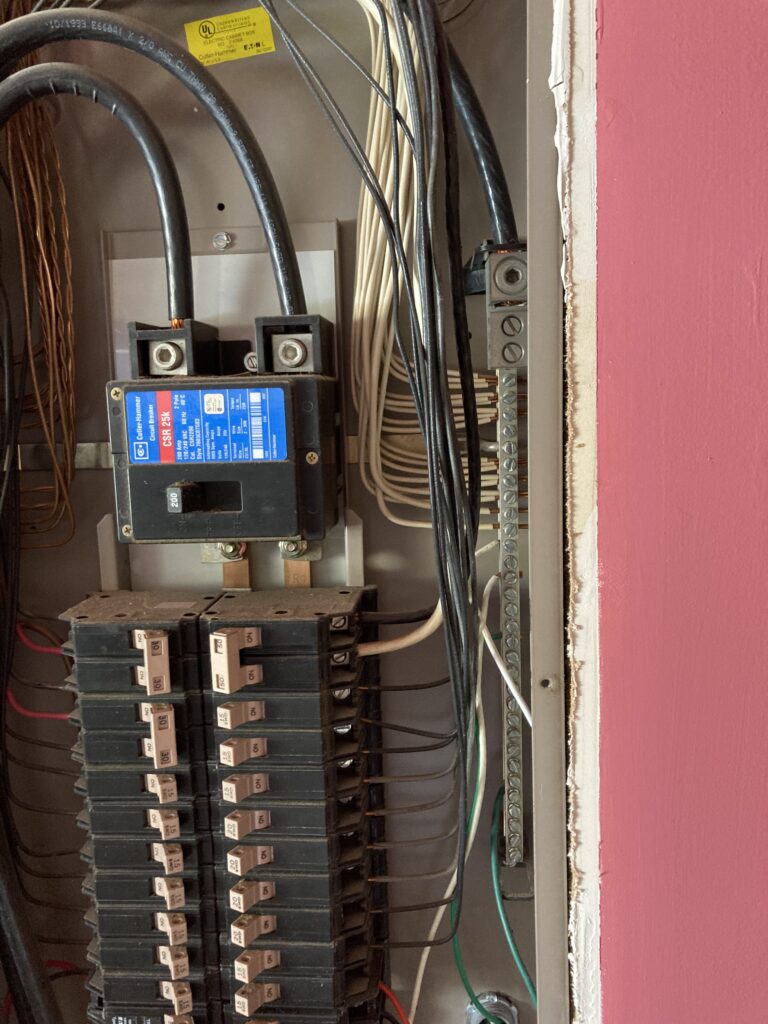
The electrical panel is the first stop on every inspection because it is the heart of your home’s electrical system. The electrician opens the panel cover and visually inspects the bus bars, breakers, and connections for signs of overheating, corrosion, water damage, or improper modifications. Each breaker is checked for proper labeling, secure connection, and rated amperage compared to the wire size it serves. The panel itself is checked against manufacturer recalls, with Federal Pacific Stab Lok, Zinsco, and Pushmatic panels flagged immediately because of their known reliability issues.
Need an electrical inspection? Click here for our electrical inspection service.
Next comes the room by room walkthrough of outlets, switches, and visible wiring. Each outlet is tested with a circuit analyzer that checks for proper voltage, correct polarity, ground continuity, and GFCI function where required by code. Switches are tested for proper operation, and the electrician looks for any visible signs of damage, discoloration, or heat staining on the faceplates and devices. Hardwired smoke detectors and carbon monoxide detectors are checked for age and function, since both have a defined service life and need replacement every ten years even when they still chirp during a test.
The grounding system, service entrance, and exterior components are inspected as well. The electrician verifies that the main grounding electrode conductor is properly connected to a grounding rod or water pipe, that bonding is in place between metal water and gas piping, and that the service entrance wires from the meter to the panel are in good condition. Outdoor outlets, lighting circuits, and any subpanels in garages, sheds, or outbuildings are included in the inspection scope. If the home has solar, a generator, or EV charging equipment, those systems are reviewed for proper connection and compliance with the rest of the electrical infrastructure.
Common Issues Found During Inspections
Outdated electrical panels are among the most frequently flagged issues, particularly in homes built between 1950 and 1990. Federal Pacific Stab Lok panels installed throughout that era have a documented failure rate where breakers fail to trip during overcurrent conditions, leading to wire overheating and fire risk. Zinsco and Pushmatic panels share similar problems with breaker reliability and bus bar corrosion. Even non recalled panels from that era often show signs of age, including double tapped breakers, undersized service capacity for modern household loads, and missing dead front covers that expose live components to anyone opening the box.
Wiring problems are the second large category. Aluminum branch wiring, installed in many homes during the late 1960s and early 1970s, has connection points that develop oxidation and resistance over time, creating fire risk at outlets and switches. Knob and tube wiring from pre 1950 construction is another finding that almost always requires remediation, since the insulation degrades and the wiring lacks a ground conductor entirely. Improper grounding, including ungrounded three prong outlets that look modern but are not actually connected to ground, is one of the most common safety issues found in homes that have been remodeled without permits.
Smaller but still important issues include missing GFCI protection in bathrooms, kitchens, garages, basements, outdoor areas, and laundry rooms; outlets with damaged or cracked faces; switches that buzz or feel hot to the touch; loose connections at the breaker or outlet level that create arcing risk; and circuits that are overloaded for the appliances they serve. Smoke detector and carbon monoxide detector failures also turn up regularly, since most homeowners forget that these devices expire after ten years even when the test button still works. Each issue is logged with a severity rating that helps the homeowner prioritize repairs.
How Long The Inspection Takes And What To Prepare
A typical home electrical inspection takes between two and four hours for a standard single family residence. Smaller homes under 1,500 square feet often finish in the two hour range, while larger homes over 3,500 square feet with multiple subpanels and complex wiring can stretch closer to four hours. Older homes generally take longer than newer ones because the electrician is checking outdated systems against current code, and finished basements or attics may require additional time to access wiring runs through tight spaces. The age, size, and complexity of the home are the three biggest factors that determine duration.
Want to know crucial signs you need a panel replacement? Click here for more information.
Preparing for the inspection makes the process faster and more thorough. Clear access to the electrical panel is essential, so move stored items away from the panel and ensure the electrician can fully open the cover and use testing equipment. Provide access to any subpanels in garages, sheds, or outbuildings, and unlock gates that lead to outdoor outlets or service entrances. If you have any documentation of past electrical work, including permits, receipts, or notes about previous repairs, having that information available helps the electrician identify what has and has not been updated.
Be ready to share information about any recent electrical issues or concerns. Outlets that have stopped working, breakers that trip repeatedly, lights that flicker, switches that feel warm, or burning smells should all be mentioned at the start of the appointment. The electrician will check those areas with extra attention and may run additional tests on the related circuits. Plan to be home during the inspection so the electrician can ask questions about how you use specific rooms and circuits, and so you can ask questions of your own as findings come up during the walkthrough.
Understanding The Inspection Report And Next Steps
The inspection report is the document that summarizes everything found during the visit, and it should be detailed enough to serve as a clear action plan. A good report includes a list of every issue identified, the severity of each one, photographs of the relevant equipment or wiring, and recommended repairs with rough cost ranges where applicable. Issues are typically grouped into three categories: safety hazards that need immediate attention; code items that should be addressed soon; and recommendations for improvements that are not urgent but worth planning for. The format may vary by electrician, but the substance should always cover those three priority levels.

Reviewing the report with the electrician is the most valuable part of the process. Walk through each finding together and ask questions about anything that is not clear, including why a specific issue matters, what the repair involves, and how urgent it actually is. A licensed electrician can explain the reasoning behind each recommendation and help you understand which items are dealbreakers from a safety standpoint and which are optional upgrades that improve performance or convenience. Do not hesitate to ask for a written estimate on the repairs the electrician recommends, since seeing the cost in writing makes prioritization easier.
After the report review, you decide what to address and when. Safety hazards should be repaired immediately, particularly anything involving panel issues, burned outlets, or loose connections that create arcing risk. Code items can usually be scheduled within a few weeks, and recommendations for upgrades like surge protection, additional GFCI outlets, or panel modernization can be planned at your own pace. Wallace Electric provides written estimates on every recommendation and works with homeowners to phase larger projects across multiple visits when budget or timing makes that the right approach.
A home electrical inspection delivers what most homeowners never get a chance to see: a complete, professional picture of how their electrical system is actually performing. Some inspections turn up minor issues that are easy to address, while others reveal serious safety hazards that have been hiding in plain sight for years. Either outcome is valuable, because the alternative is operating without information until something fails. Scheduling an inspection every five to ten years for newer homes and every three to five years for homes built before 1990 is the most proactive step any homeowner can take to protect their family and their property from electrical fire risk.
Wallace Electric serves homeowners throughout Burleson, Crowley, Mansfield, Fort Worth, and surrounding communities with thorough electrical inspections performed by licensed electricians under TECL 41053. Our background checked and drug tested team takes the time to walk you through every finding, explain the work in plain language, and provide written estimates on any recommended repairs. Every repair we perform comes with a 5 year parts and labor warranty for your peace of mind. To schedule your inspection or ask questions about your home’s electrical system, call us at (817) 476-7753 or book online. We are available 24/7 for electrical emergencies, because some electrical problems do not wait for business hours.