
Standby Versus Portable Generators and Which One Your Home Needs
Power outages hit hard during a Texas summer, and they tend to arrive at the worst possible moment. Severe thunderstorms roll across North Texas, high winds knock down lines, and the strain on the state grid can leave whole neighborhoods in the dark for hours. When the electricity stops, your air conditioning shuts off, your refrigerator warms up, and your home loses the systems that keep your family comfortable and safe. A generator solves that problem by supplying backup power until the utility restores service. Homeowners in Burleson usually compare two options, the standby generator and the portable generator, and each one fits a different need and budget. Choosing correctly means looking at how much power you want, how much you want to spend, and how involved you want to be during an outage. This guide breaks down both types in plain terms so you can decide which one belongs at your home. By the end, you will know which generator matches your family, your house, and your summer power needs.
Understanding the Difference Between Standby and Portable Generators
Standby and portable generators both deliver backup power, yet they work in very different ways. A standby generator stays bolted to a concrete pad outside your house and runs on natural gas or propane piped straight to the unit. A portable generator is a smaller machine on wheels that you store in a garage or shed and roll out when the lights go off. The biggest practical difference comes down to automation; a standby unit starts on its own, while a portable unit needs you to start it by hand. Cost separates them too, since a portable model fits a tight budget and a standby model represents a larger investment in your property. Power output also varies widely between the two categories. Understanding how each one functions helps you match the right machine to your home before the next storm arrives. Below we cover how both generators work and where each one shines.
How a Standby Generator Keeps Your Whole Home Powered
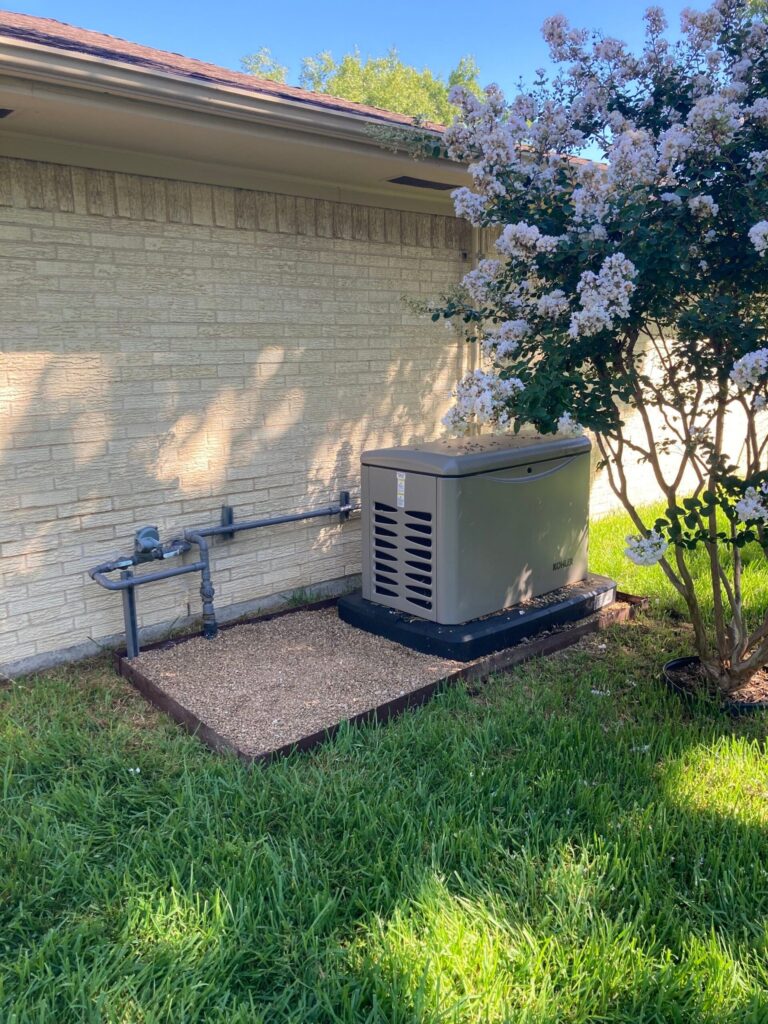
A standby generator is a permanent fixture that connects directly to your home electrical panel through an automatic transfer switch. When the utility power drops, the transfer switch senses the loss within seconds and signals the generator to start. The unit fires up, the switch moves your home off the grid, and your circuits come back to life with almost no interruption. Because it runs on natural gas or a large propane tank, you never have to refuel it during an outage. A properly sized standby generator can run your air conditioner, refrigerator, well pump, lights, and outlets at the same time. Many models power the entire house, which means daily life continues as if the grid never failed. This level of coverage is why standby units are the top choice for families who want true peace of mind.
The automatic operation is what sets a standby generator apart from every other backup option. You do not need to be home, awake, or even aware that the power went out for the system to respond. This matters during a North Texas storm that knocks out power in the middle of the night or while you are away on vacation. The generator also runs a weekly self test, cycling on for a few minutes to confirm that it is ready when you need it. That built in check catches small problems early, long before an outage exposes them. A standby unit sits quietly until it is needed, then it does its job without any effort from you. For a homeowner who relies on medical equipment or works from home, that reliability is hard to overstate.
Installing a standby generator is a job for a licensed electrician because it ties into both your gas line and your main electrical panel. The unit needs a level concrete pad, proper clearance from windows and doors, and a code compliant connection that protects utility workers from dangerous backfeed. A professional sizes the generator to your home’s load, installs the transfer switch, and handles the permits your city requires. The upfront cost is higher than a portable model, often several thousand dollars once installation is complete. That investment adds resale value and removes the hassle of dragging out equipment every time the lights flicker. If you want a clean, automatic solution, our team can walk you through it. Need a whole home backup solution? Click here for our generator installation service.
How a Portable Generator Provides Backup Power
A portable generator is a compact, gas powered machine designed to deliver electricity on demand without a permanent connection to your house. Most models run on gasoline, though many newer units accept propane as a second fuel for added flexibility. You start the engine with a pull cord or an electric push button, then plug your essentials into the outlets on the unit. A portable generator typically produces between three thousand and eight thousand five hundred watts, which covers key items rather than the whole house. That output usually handles a refrigerator, a few lights, a window air conditioner, and small electronics during an outage. Because it is small and rolls on wheels, you can move it where you need it and store it away when the power returns. For short outages or a tight budget, this kind of generator gets the important things running again.
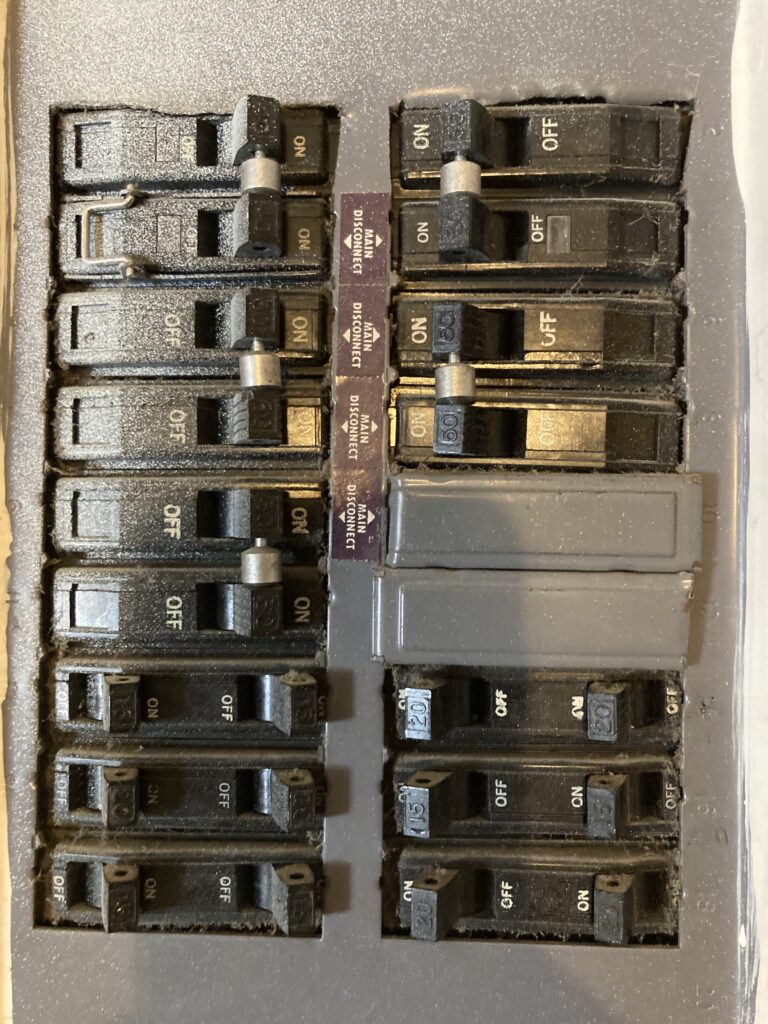
Running a portable generator safely takes more attention than running a standby unit. The engine burns fuel and produces carbon monoxide, an invisible and deadly gas, so you must operate it outdoors and far from windows, doors, and vents. Never run a portable generator inside a garage, even with the door open, because the fumes build up fast and can be fatal. You also need to refuel it every few hours, which means keeping gasoline on hand and shutting the engine down to fill the tank. Connecting it to your home requires either heavy duty extension cords run to each appliance or a manual transfer switch installed by an electrician. That manual switch lets you power hardwired items like a furnace fan or well pump safely and legally. Used correctly, a portable generator is a dependable tool; used carelessly, it becomes a serious hazard.
A portable generator works best as a stopgap rather than a full home solution. It shines for campers, job sites, tailgates, and homeowners who only want to keep a handful of essentials alive during a brief outage. The lower price tag, often a few hundred to a couple thousand dollars, makes it an easy entry point for backup power. The tradeoff is the hands on effort, since you have to drag it out, start it, fuel it, and manage cords every single time the power fails. During a long outage that stretches across several days, that routine grows tiring and fuel can become hard to find. A portable unit also leaves part of your home dark, because it cannot match the output of a permanent system. For many Burleson families, a portable generator is a smart first step that they later upgrade as their needs grow.
Comparing Standby and Portable Generator Costs and Features
Comparing a standby generator and a portable generator starts with the price, and the gap is significant. A portable model usually costs a few hundred to a couple thousand dollars and needs little or no professional installation for basic use. A standby model costs several thousand dollars or more, with the unit, the transfer switch, the gas connection, and the labor all factored in. That higher number buys automatic operation, whole home coverage, and a fuel supply you never have to refill by hand. The portable price wins on the surface, yet it does not account for the time, fuel, and effort you spend during every outage. When you measure cost over years of storms and grid strain, the value picture shifts. Each option fits a different wallet and a different set of expectations.
Power output is the next big point of comparison between these two generators. A portable unit delivers enough electricity for select circuits, so you choose which appliances stay on and which ones wait. A standby unit can carry your entire electrical load, running the air conditioner, oven, water heater, and every outlet at once. That difference becomes obvious during a Texas heat wave when air conditioning is not a luxury but a safety need. A portable generator may keep a single room cool with a window unit, while a standby generator keeps the whole house comfortable. Larger families and bigger homes lean toward standby power for that reason. Smaller households with modest needs often find a portable unit perfectly adequate.
Convenience and maintenance round out the comparison between standby and portable generators. A standby unit runs its own weekly self test, alerts you to problems, and needs only periodic service from a technician. A portable unit demands manual starting, regular refueling, oil changes, and careful storage of both the machine and its fuel. Noise differs as well, since a permanent standby generator runs quieter and farther from your living space than a portable model parked near the house. Safety is a clear divider too, because a standby unit removes the carbon monoxide risk that comes with operating a portable engine by hand. The right choice depends on how much effort you want to put in and how complete you need your backup to be. Both machines have a place, and the smartest pick depends entirely on your household.
Choosing the Right Generator for Your Texas Home
Picking the right generator comes down to your home, your budget, and how you handle a power outage. North Texas weather makes backup power more than a convenience, since summer storms, winter freezes, and grid demand all threaten your electricity throughout the year. A family that works from home or stores medication needs reliable, automatic power that a standby generator provides. A homeowner who only wants to save the refrigerator and a few lights during a short outage may do fine with a portable unit. The size of your house, the number of appliances you run, and your tolerance for manual work all factor into the decision. Your fuel access matters too, since a standby generator needs a natural gas line or a large propane tank to run for days. Taking stock of these details before you buy keeps you from overspending or underpowering your home. The sections below help you match each generator type to the right household.
When a Standby Generator Is the Right Generator for Your Home
A standby generator is the right generator for your home when you need power that stays on without any effort from you. Families who depend on medical devices, refrigerated medication, or home oxygen cannot afford the gap that comes with starting a portable unit by hand. People who work remotely lose income every hour their internet, computers, and lights stay dark, so automatic backup pays for itself. Homes with electric well pumps need power to keep water flowing, which makes a reliable whole home system essential. If you travel often or spend nights away, a standby unit protects your house while you are gone by responding on its own. For these households, the higher price is a fair trade for steady, hands free protection.
The size and layout of your home also point toward a standby generator as the right choice. Larger houses run more circuits, more air conditioning tonnage, and more appliances than a portable unit can handle at once. A standby generator sized to your load keeps every room comfortable during a long Texas outage instead of forcing you to ration power. Homes in storm prone parts of North Texas see longer and more frequent outages, which makes permanent backup more valuable over time. The weekly self test and automatic start mean the system is always ready, even during a freeze that arrives without warning. For a family that wants the whole house to keep running, a standby unit is the clear answer.
Fuel supply is the final piece that makes a standby generator the right generator for many homes. A unit tied to a natural gas line runs as long as the gas keeps flowing, which can mean days of uninterrupted power. A large propane tank offers the same long runtime for homes without natural gas service. That steady fuel supply is a major advantage over a portable unit that needs refueling every few hours from cans you have to store and refill. During a multiday outage, the difference between automatic fuel and manual refueling becomes the difference between comfort and constant work. If long, worry free runtime matters to your family, a standby generator earns its place outside your home.
When a Portable Generator Is the Right Generator for Your Home
A portable generator is the right generator for your home when your needs are modest and your budget is tight. Homeowners who only want to protect the refrigerator, a few lights, and some phone chargers during a short outage do not need a full standby system. The lower upfront cost makes a portable unit an easy way to gain basic backup power without a major investment. Renters benefit from portable units too, since they can take the equipment with them when they move. For occasional, brief outages, a portable generator covers the essentials and stores away when the power returns. If you want simple, affordable backup for the basics, this type of generator fits well.
A portable generator also makes sense when you want flexible power beyond just your house. The same unit that backs up your refrigerator during a storm can run tools at a job site, power a tailgate, or support a camping trip. That versatility appeals to homeowners who want one machine for several uses rather than a fixture dedicated only to the house. People who are comfortable starting an engine, managing fuel, and running cords find the hands on routine manageable. For a handy homeowner on a budget, a portable unit delivers real value across many situations. The key is using it safely, outdoors, and well away from living spaces every single time.
A portable generator can serve as a smart starting point that you upgrade later as your needs change. Many families buy a portable unit first, learn what they want from backup power, and move to a standby system once they understand the limits. Adding a manual transfer switch installed by an electrician makes a portable generator safer and more useful, since it lets you power hardwired circuits legally. That upgrade bridges the gap between bare essentials and a full home solution without the cost of a permanent unit. For homeowners testing the waters, a portable generator answers the immediate need while keeping options open. Ready to step up to automatic power? Click here for our generator installation service.
Sizing the Right Generator for Your Home’s Power Needs
Sizing the right generator for your home starts with adding up the watts your essential appliances draw. Every device lists a running wattage, and many motors like air conditioners and well pumps also pull a larger surge when they start. A generator that is too small will overload, trip, and fail to run everything you expect, while one that is too large wastes money. An electrician calculates your home’s load, accounts for those startup surges, and recommends a unit that handles your real demand. Getting this number right is the single most important step in choosing a generator that actually serves your home. Guesswork here leads to frustration during the exact moment you need backup power most.
For a standby generator, sizing usually lands somewhere between ten and twenty six kilowatts for a typical North Texas home. A smaller unit covers essential circuits, while a larger unit powers the entire house including central air conditioning and electric appliances. Your home’s square footage, the number of air conditioning units, and your electric versus gas appliances all shape the final number. A professional load calculation prevents the common mistake of buying a unit that cannot keep up during a summer afternoon. The goal is a generator that runs comfortably under your real load without straining or stalling. Proper sizing also protects the generator itself, since a unit run at its limit wears out faster.
For a portable generator, sizing means choosing wattage that matches the handful of items you plan to run at once. Adding up the refrigerator, a few lights, a window air conditioner, and chargers usually points to a unit in the four thousand to seven thousand five hundred watt range. Remember to leave headroom for the surge that motors create when they cycle on, or the unit will trip under load. Listing your must have appliances before you shop keeps you from buying too little or paying for power you will never use. An electrician can review your list and confirm the right size for safe, reliable operation. Right sizing your portable unit makes every outage smoother and protects the appliances you connect to it.
Why You Need Professional Generator Installation in Burleson
A generator only protects your home when it is installed correctly, safely, and to code. Tying a unit into your gas line and electrical panel involves real hazards that a do it yourself approach cannot manage safely. Improper connections risk fire, carbon monoxide exposure, and dangerous backfeed that can injure or kill utility workers repairing the line. A licensed electrician handles the permits, the load calculation, the transfer switch, and the final inspection your city requires. Professional installation also protects your warranty and confirms the system will start when the next storm hits. For Burleson homeowners, expert installation is the difference between true backup power and a costly risk.
Why Professional Generator Installation Protects Your Home
Professional generator installation protects your home by making sure every connection meets electrical and gas code. A standby generator ties into your main panel through a transfer switch that must isolate your home from the grid during an outage. Without that proper isolation, electricity can flow backward into the utility lines and electrocute the workers trying to restore power. A licensed electrician installs the switch correctly, tests it, and confirms it does its job every time. Proper installation also protects your appliances from the surges and irregular power that a bad connection can cause. The result is a system that powers your home safely instead of creating new dangers.
Professional installation also protects your home by sizing and placing the generator the right way. A technician runs a load calculation so the unit matches your real power demand and never overloads during a Texas heat wave. Correct placement keeps the generator a safe distance from windows, doors, and vents so exhaust never enters your living space. The crew sets a level pad, secures the unit against wind, and routes the fuel line according to code. Permits and inspections confirm the work is sound, which matters for both safety and home resale. Every one of these steps reflects the care a trained professional brings to the job.
Choosing professional generator installation protects your home for the long term, not just on day one. A proper install includes a walkthrough so you understand how the system runs, tests itself, and signals a problem. Scheduled maintenance keeps the unit ready, since fuel, oil, and components all need periodic attention to perform when called on. A reliable electrical contractor stands behind the work and returns to service the system over its lifespan. That ongoing relationship gives you a trusted resource for repairs, upgrades, and questions down the road. A safe install today saves you from far bigger trouble later.
Why Generator Safety Depends on Proper Installation
Generator safety depends on proper installation because the biggest risks come from how the unit connects to your home. Backfeed is the most serious danger, since a generator wired into your home without a transfer switch can push power onto utility lines. That stray power can kill a lineman working to restore service and can also damage your own equipment when the grid returns. A correctly installed transfer switch removes that risk entirely by keeping your home and the grid separate. Only a licensed electrician should make these connections, because the stakes are simply too high for guesswork. Proper installation turns a powerful machine into a safe and dependable part of your home.
Carbon monoxide is the next reason generator safety depends on proper installation and placement. Every fuel burning generator produces this odorless gas, and exhaust that drifts into your home can be deadly within minutes. A professional positions a standby unit at a safe distance and angle so fumes vent away from windows, doors, and vents. For portable units, an electrician can install an inlet box and transfer switch so you run the engine far from the house instead of stringing cords through a cracked door. Correct placement and connection keep the exhaust outside where it belongs. This single safety measure protects everyone inside your home during an outage.
Fire prevention is the third reason generator safety depends on proper installation. Loose connections, undersized wiring, and improper fuel lines all create heat and spark risks that can ignite a fire. A licensed electrician uses correctly rated wire, tight terminations, and code approved fuel fittings to remove those hazards. Regular inspection catches worn parts and loose connections before they become a problem during an outage. A properly installed and maintained generator runs for years without putting your home at risk. When safety is the priority, professional installation is the only responsible choice.
Why Choose Wallace Electric for Generator Installation
Homeowners across Burleson choose Wallace Electric for generator installation because we treat every home with care and respect. We are a family owned and operated electrical company, and that ownership shows in the attention we bring to each job. Our technicians are background checked and drug tested, so you can feel comfortable with the team working inside and outside your home. We deliver professional white glove service on every visit, from the first walkthrough to the final inspection. Safe, code compliant installation is our standard, never an afterthought. That commitment to ethos is why our customers trust us with their backup power.
We also make generator installation easier with options that fit real budgets and real needs. Financing options are available, so a standby system can fit your monthly plan instead of demanding everything upfront. A five year parts and labor warranty is available, which backs your investment for years after the work is done. Our team sizes your generator correctly, handles the permits, and confirms the install passes inspection. We answer your questions in plain language so you always understand what your system does and how to use it. From start to finish, we make backup power simple and dependable.
When the next outage hits North Texas, Wallace Electric is ready to keep your home powered and your family safe. We offer 24 hour emergency electrician services, so help is available even when trouble strikes in the middle of the night. Our crews know the homes, the weather, and the grid challenges across Burleson and the surrounding communities. We stand behind our work and build lasting relationships with the homeowners we serve. Ready to protect your home with reliable backup power? Click here for our generator installation service, or call us today at (817) 476-7753 to schedule your consultation.