
How a Standby Generator Keeps Your Lights On During a Texas Power Outage
Texas weather does not wait for a convenient moment to knock out your power. Summer thunderstorms roll across the state with high winds, lightning, and heavy rain that bring down power lines in minutes. The ERCOT grid also strains under heavy demand when temperatures climb past 100 degrees and millions of air conditioners run at once. A standby generator gives your home a reliable backup that turns on by itself the moment the utility power fails. It sits outside your house, connects to your existing gas supply, and watches the incoming power around the clock. When an outage hits, the generator starts within seconds and restores electricity to the circuits you depend on most. Your lights, your air conditioning, your refrigerator, and your medical equipment stay running while your neighbors sit in the dark. This guide explains how a standby generator keeps your lights on during a Texas power outage and why it belongs at the top of your summer storm preparation list.
How a Standby Generator Works During a Texas Power Outage
A standby generator is a permanently installed backup power system that protects your home automatically. A portable generator forces you to drag it out, fuel it by hand, and connect it with extension cords, but a standby unit is wired directly into your electrical system. It runs on natural gas or liquid propane, so you never have to store gasoline or refuel during a storm. The system relies on three main parts that work together: the generator itself, the automatic transfer switch, and the fuel supply. Each part plays a specific role in moving power from your gas line to the outlets and lights inside your home. The entire process happens without any action from you, even at three in the morning during a thunderstorm. Understanding how these parts function helps you see why a standby generator is so much more dependable than a portable model. Want a permanent backup power solution for your home? Click here for our generator installation service.
The Automatic Transfer Switch That Keeps Your Standby Generator Running During a Power Outage
The automatic transfer switch is the brain of your standby generator system. It constantly monitors the voltage coming in from the utility power line. The moment that voltage drops or disappears, the switch recognizes the outage and signals the generator to start. Within about ten to thirty seconds, the engine fires up and reaches full operating speed. The transfer switch then disconnects your home from the utility line and connects it to the generator. This handoff is fast enough that you barely notice the brief gap in power. Your clocks may blink, but your refrigerator and air conditioner come right back to life. All of this happens automatically, with no switches to flip and no cords to plug in.
This automatic switching does more than save you the trouble of starting the generator yourself. It also protects the utility workers who repair the downed lines during an outage. A device wired incorrectly can send power back into the grid, a dangerous condition called backfeeding. Backfeeding can electrocute the crews working to restore service to your neighborhood. A properly installed automatic transfer switch makes backfeeding impossible by isolating your home from the grid before the generator runs. This safety feature is one reason the work must follow the National Electrical Code and local permitting rules. It is also why a licensed electrician should handle every standby generator installation. Cutting corners here puts lives at risk and can void your warranty.
When the utility power returns, the transfer switch handles the reverse process just as smoothly. It senses that stable power has come back to the line and waits a short time to confirm the supply is steady. Once it confirms the grid is reliable again, it switches your home back to utility power. The generator then runs for a brief cooldown period before shutting itself off. This cooldown protects the engine and extends the life of the unit. You do not have to be home for any of this to happen correctly. The system manages the full cycle from outage to restoration on its own. That hands free operation is exactly what makes a standby generator so valuable during a Texas power outage.
The Fuel Source That Powers Your Standby Generator During a Texas Power Outage
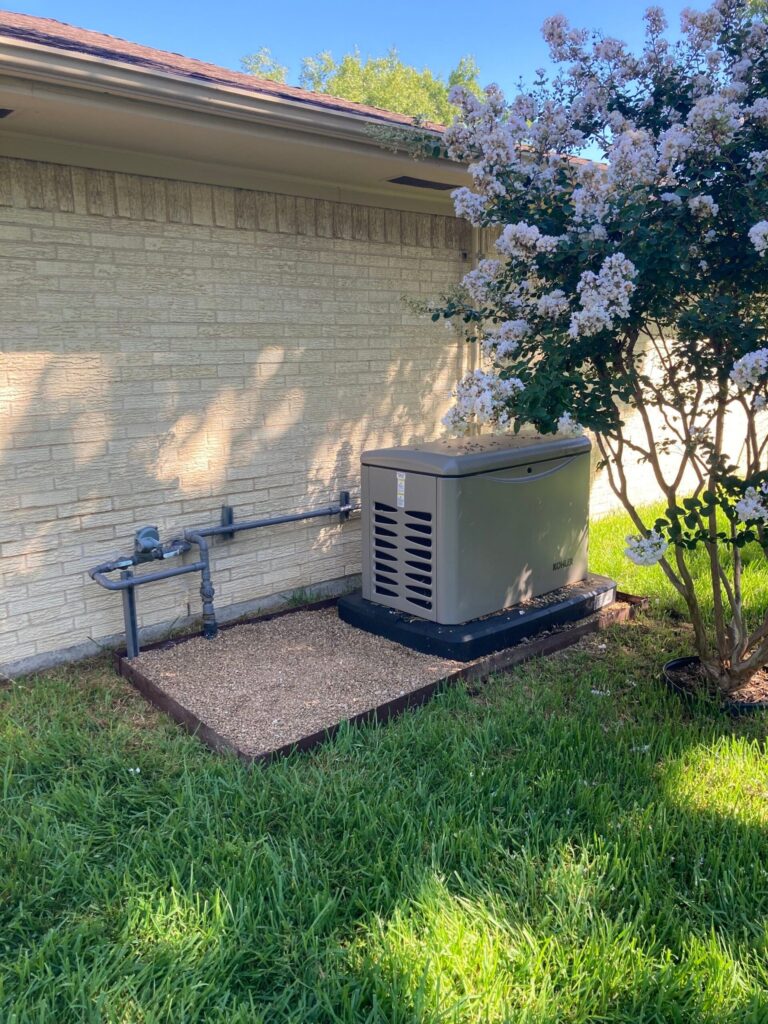
The fuel source is what gives your standby generator the endurance that a portable model cannot match. Most home standby generators in Texas run on natural gas piped in from the same utility line that feeds your furnace and water heater. Because that gas line stays connected during a storm, your generator has a nearly unlimited supply of fuel. You never have to ration gasoline, wait in line at a station, or risk handling fuel in the rain. Homes without a natural gas connection can run a standby generator on liquid propane stored in a tank on the property. A large propane tank can power a home for many days, depending on the size of the tank and the load. Your electrician sizes the gas line and confirms the supply meets the demand of the generator. This reliable fuel feed is a big part of why a standby generator keeps your lights on long after a portable unit would run dry.
Natural gas and propane both burn cleaner than the gasoline used in portable generators. Gasoline degrades over time and can gum up an engine that sits unused for months between storms. Natural gas and propane store well and stay ready whenever you need them. This matters in Texas, where you might go a whole season without an outage and then face several in a single week. A standby generator on a gas line is always fueled and always prepared to run. The fuel also feeds the engine at a steady rate, which helps the generator deliver clean and consistent power. Sensitive electronics like computers, televisions, and modern appliances depend on that steady output. Dirty or unstable power from a cheap portable unit can damage those devices over time.
Proper fuel connection is a job for a licensed professional, not a do it yourself project. Gas lines must be sized correctly so the generator receives enough fuel to carry the load during a long outage. An undersized line starves the engine and causes it to run poorly or shut down at the worst possible moment. The connection must also be sealed and tested to prevent gas leaks that create fire and health hazards. Your electrician coordinates the gas supply, the transfer switch, and the electrical panel to make the whole system work as one. Local codes and permits govern how the fuel line is run and how the generator is placed on your property. Carbon monoxide safety rules require the unit to sit a safe distance from windows, doors, and vents. A professional installation gets every one of these details right the first time.
How Standby Generator Sizing Keeps Your Lights On During a Power Outage
Generator sizing determines how much of your home a standby unit can power during an outage. Standby generators are rated in kilowatts, and residential units commonly range from around ten kilowatts to twenty six kilowatts. A smaller unit can run your essential circuits, such as the refrigerator, a few lights, and a single air conditioning system. A larger unit can power nearly everything in the house at the same time, including multiple air conditioners and large appliances. The right size depends on the square footage of your home, the number of air conditioning units, and the appliances you want to keep running. In the Texas heat, air conditioning is usually the single largest load a generator must handle. Your electrician performs a load calculation to match the generator to your actual power needs. This step prevents you from buying a unit that is too small to be useful or too large to be worth the cost.
Air cooled and liquid cooled designs serve different sizing needs. Air cooled generators are common for smaller and midsize homes and handle loads up to about twenty four kilowatts. Liquid cooled generators use a radiator system similar to a car engine and handle the largest residential and light commercial loads. Liquid cooled units run cooler under heavy demand, which suits the long runtimes a Texas summer can require. Your home size, your climate, and your power goals all shape which design fits best. A unit sized for the brutal Texas summer must keep your air conditioning running for hours or even days. That is a far heavier job than simply keeping a few lights on. Getting the size and the design right is the difference between comfort and a sweltering house during an outage.
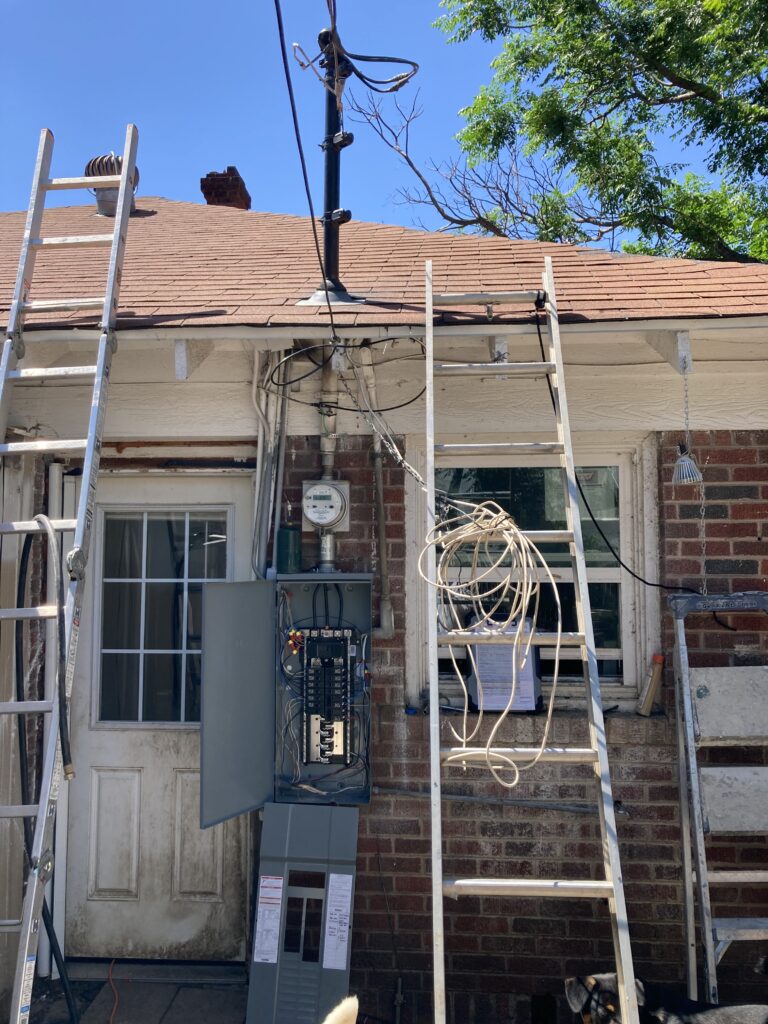
Correct sizing also protects the generator and your home from damage. A generator that is too small for the load will overwork itself, overheat, and wear out far sooner than it should. Overloading can also cause the unit to trip its breaker and shut down right when you need power most. A unit that is properly matched to the load runs efficiently and lasts for many years. Sizing ties directly to your electrical panel, which must be ready to work with the generator and transfer switch. An older or undersized panel sometimes needs an upgrade before a standby generator can be added safely. Your electrician evaluates the panel during the planning stage and recommends any changes. This is why an expert assessment is so important before you choose a standby generator for your Texas home.
What a Standby Generator Powers in Your Home During a Texas Power Outage
Knowing what a standby generator can power helps you understand its true value during a Texas power outage. A well sized unit does not just keep a single light bulb glowing; it keeps your household running close to normal. The most important loads in a Texas summer are the systems that protect your health, your comfort, and your food. Air conditioning tops that list when the heat index climbs into dangerous territory. Refrigeration comes next, because spoiled food costs money and creates health risks. Lighting and safety systems round out the core needs, keeping your family secure when the grid goes dark. A standby generator handles all of these loads automatically and at the same time. The sections below break down exactly how each of these systems stays online during an outage.
How a Standby Generator Keeps Your Air Conditioning On During a Texas Power Outage
Air conditioning is the most critical load a standby generator powers during a Texas power outage. Summer heat in this state regularly pushes past 100 degrees, and the heat index can climb even higher. A home without cooling becomes dangerously hot within hours, especially for young children, older adults, and pets. Heat related illness is a real risk during a long outage in July or August. A properly sized standby generator keeps your central air conditioning running so your home stays safe and comfortable. The transfer switch brings the air conditioning back within seconds of the outage, long before the indoor temperature climbs. You stay cool while the storm passes and the utility crews work to restore the grid. This single benefit is the reason many Texas homeowners decide to install a standby generator in the first place.
Air conditioning systems draw a large amount of power, especially at the moment the compressor starts. That startup surge is much higher than the power the unit needs to run steadily. A standby generator must be sized to handle that surge without stalling or tripping. This is one of the main reasons professional load calculations matter so much in Texas. An undersized generator might run your lights but fail the instant the air conditioner tries to start. A correctly sized unit absorbs the startup surge and keeps cooling your home without a hiccup. Homes with two or three air conditioning systems need an even larger generator to run them together. Your electrician factors every cooling system into the sizing so nothing gets left behind during an outage.
Keeping the air conditioning on does more than provide comfort during a Texas outage. It also protects your home from heat and humidity damage. When cooling stops for an extended period, indoor humidity rises and can promote mold growth on walls and furnishings. High heat can also stress electronics, musical instruments, and other sensitive belongings. A running air conditioner keeps the air dry and the temperature stable, protecting both your family and your property. Pets left at home during an outage stay safe when the cooling never stops. The peace of mind that comes from reliable cooling is hard to overstate during a brutal Texas summer. A standby generator delivers that peace of mind every time the power fails.
How a Standby Generator Protects Your Refrigerator and Food During a Power Outage
Refrigeration is one of the first household systems people worry about when the power goes out. A typical refrigerator keeps food safe for only about four hours once it loses power. A full freezer can hold a safe temperature for around forty eight hours, but only if you keep the door closed. During a long Texas outage, those windows pass quickly and food begins to spoil. A standby generator removes that worry by restoring power to your kitchen within seconds. Your refrigerator and freezer keep running as if the outage never happened. The food you bought for the week stays fresh and safe to eat. That protection adds up quickly when you consider the cost of replacing a full refrigerator and freezer of groceries.
Food safety is a health issue, not just a convenience. Perishable items like meat, dairy, and leftovers enter a danger zone once they warm above 40 degrees. Bacteria multiply rapidly in that range and can make your family sick. Many people cannot easily tell when food has crossed the line into unsafe territory. A standby generator keeps the temperature steady and keeps that guesswork out of your kitchen. You never have to throw out a refrigerator full of food after a storm passes. You also avoid the gamble of eating something that may have spoiled during the outage. Reliable refrigeration is a quiet but valuable benefit of owning a standby generator in Texas.
Reliable refrigeration matters even more for households with special needs. Some families store insulin or other medications that must stay cold to remain effective. A power outage that warms those medications can ruin them and create a serious health problem. A standby generator protects temperature sensitive medicine the same way it protects your groceries. Families who buy food in bulk also have far more to lose when a freezer fails. A standby unit keeps a chest freezer full of meat and frozen goods safe through any outage. The savings on replaced food and medicine can offset a meaningful part of the generator cost over time. For many Texas homeowners, that protection alone justifies the investment.
How a Standby Generator Keeps Your Lights and Safety Systems On During an Outage
Lighting is the most visible benefit a standby generator provides during a Texas power outage. When the grid goes dark, a home without backup power relies on flashlights, candles, and phone screens. Candles create a fire risk, and fumbling around in the dark leads to slips and falls. A standby generator restores your interior lighting within seconds of the outage. Your hallways, stairs, and rooms stay lit so your family moves through the house safely. Outdoor lighting also returns, which helps you see hazards and keeps your property secure. Good lighting reduces the stress and confusion that come with a sudden blackout. Your home simply keeps functioning while the rest of the block sits in darkness.
Safety systems depend on steady power just as much as your lights do. Security systems, cameras, and alarm panels need electricity to protect your home and family. A standby generator keeps those systems online so your home stays monitored during an outage. Garage door openers also need power, and a generator lets you come and go without lifting the door by hand. Sump pumps protect against flooding during the heavy rain that often accompanies a Texas storm. A failed sump pump can let water rise into a basement or low area when the power fails. A standby generator keeps that pump running and helps protect your home from water damage. These systems often matter most during the exact storms that cause outages in the first place.
Medical equipment is one of the most important loads a standby generator supports. Many people rely on oxygen concentrators, CPAP machines, or powered medical devices at home. A power outage can turn from an inconvenience into a true emergency for those households. A standby generator keeps that equipment running without any delay or manual setup. Families do not have to scramble for a hospital or a backup power source in the middle of the night. The generator handles the load automatically and keeps the equipment online for as long as the outage lasts. For homes that depend on medical devices, a standby generator is far more than a convenience. Need fast help during a power outage? Click here for our emergency electrician service.
Why You Need a Standby Generator Installed Before the Next Texas Power Outage
A standby generator is one of the smartest investments a Texas homeowner can make for storm season. The grid faces real strain every summer, and outages can strike with little warning. Waiting until the power is already out means waiting too long, because installation takes planning, permitting, and professional work. The time to prepare is before the next storm rolls in, not during it. A licensed electrician makes sure your generator is sized correctly, installed to code, and ready to run. The sections below explain why professional installation, regular maintenance, and the right electrical partner make all the difference.
Why Professional Standby Generator Installation Matters for Texas Power Outages
Professional standby generator installation is essential for safe and reliable backup power in Texas. The work involves electrical wiring, gas line connection, transfer switch setup, and code compliant placement. Each of these tasks carries real safety risks when handled by someone without proper training. A licensed electrician pulls the right permits and follows the National Electrical Code on every job. That code compliance protects your home, your family, and the utility workers who repair the grid. It also keeps your manufacturer warranty valid, which a do it yourself install can void.
A professional installation starts with a careful assessment of your home and your power needs. The electrician performs a load calculation to size the generator for your air conditioning and key appliances. They check your existing electrical panel and confirm it can work with the new system. They also plan the placement of the unit to meet carbon monoxide and clearance rules. Proper placement keeps exhaust away from windows, doors, and vents where fumes could enter the home. Every one of these steps protects your investment and keeps your family safe during an outage.
A correct installation also means your generator actually works when the storm hits. Many homeowners discover too late that a rushed or improper install fails during the first real outage. A professional tests the full system after installation to confirm it starts, transfers, and runs as designed. That testing gives you confidence that your lights will stay on when the grid goes down. Skilled installation turns a major purchase into dependable protection for years to come. Want a backup power system installed the right way? Click here for our generator installation service.
Why Regular Standby Generator Maintenance Keeps Your Lights On During Outages
Regular standby generator maintenance keeps your lights on when the next Texas outage arrives. A standby generator sits unused for long stretches and then must perform flawlessly on demand. Routine service confirms the unit is ready to start and run the moment the power fails. Most standby generators run a weekly self test, but that test does not replace professional maintenance. An electrician checks the oil, filters, battery, and connections to keep the system in top condition. Skipping maintenance is the most common reason a generator fails during the storm it was bought to handle.
Maintenance involves several key tasks that protect the engine and the electrical system. The oil and filters need periodic changes, much like the engine in a car. The battery that starts the generator must hold a charge, because a dead battery means no startup. Fuel connections and the transfer switch need inspection to confirm everything operates correctly. The electrician also looks for pests, corrosion, and wear that build up between storms. Each of these checks reduces the chance of a surprise failure during an outage.
A maintenance plan gives you confidence that your generator is always ready for action. Texas storm season can bring outages at any time, often with very little warning. A well maintained unit starts quickly and carries the load without trouble. Regular service also catches small problems before they grow into expensive repairs. Caring for the generator extends its life and protects the money you invested in it. A reliable maintenance routine is the quiet key to dependable backup power year after year.
Why Choose Wallace Electric for Your Standby Generator Installation
Wallace Electric is a family owned and operated electrical company that serves Burleson and the surrounding Texas communities. Our technicians are background checked and drug tested, so you can trust the people who enter your home. We provide professional white glove service on every job, treating your property with care and respect. Our team installs standby generators that are safe, code compliant, and sized correctly for the Texas heat. We back our work with a five year parts and labor warranty option for added peace of mind. You get dependable backup power from a company that takes its reputation seriously.
We understand the demands that Texas weather places on your home and your electrical system. Our team designs each generator system around your specific cooling, refrigeration, and safety needs. We handle the permits, the load calculations, and the code compliant installation from start to finish. We also offer financing options so you can protect your home without straining your budget. Our around the clock emergency service means we are here when storms knock out your power. You can count on us to keep your lights on when the grid lets you down.
Choosing the right electrical partner makes all the difference in your standby generator experience. Wallace Electric combines skilled workmanship with honest service and clear communication. We take the time to answer your questions and explain every part of the installation. Our goal is to keep your family safe, comfortable, and powered through every Texas outage. Call Wallace Electric today at (817) 476-7753 to schedule your standby generator consultation. Let us help you keep the lights on before the next storm arrives.