
What Electrical Grounding Means and Why Your Home Depends on It
Electrical grounding is one of the most important safety systems in your home, yet most homeowners never think about it until something goes wrong. Grounding gives stray electrical current a safe path to travel into the earth instead of through you, your appliances, or your walls. When your home is grounded correctly, a fault in the wiring sends dangerous current straight into the ground rather than into a person or a flammable surface. This quiet system works behind the scenes every second of every day, and it becomes even more important during the summer months in Texas when thunderstorms and power surges are common. A weak or missing ground can leave your family exposed to shock, fire, and expensive damage to sensitive electronics. Understanding how grounding works helps you spot warning signs early and keep your home safe. In this guide, we explain what electrical grounding means, how it protects your property, and why professional service matters. By the end, you will know exactly why your home depends on a solid grounding system.
What Electrical Grounding Means for Your Home
Electrical grounding means connecting your home electrical system to the earth through a network of wires, rods, and connections. The ground creates a low resistance path that safely absorbs extra current whenever a fault occurs. Every outlet, appliance, and panel in a modern home ties back to this shared grounding system. Without it, a short circuit or a damaged wire would have nowhere safe to send its energy. That energy would then look for the nearest path, which could be a metal pipe, an appliance case, or a person touching it. Grounding removes that danger by giving current a direct route to the earth outside your home. It is the foundation of a safe, code compliant electrical system.
How Electrical Grounding Protects Your Home Wiring
Your home wiring carries a steady flow of electricity to every room, and that flow needs a safe boundary to stay under control. Electrical grounding provides that boundary by giving fault current a dedicated path back to the panel and into the earth. When a hot wire touches a metal box or a frayed conductor, the grounding system carries the surge away in a fraction of a second. This rapid response trips the breaker and shuts down the circuit before heat can build inside the wall. Without grounding, that same fault could smolder for hours and start a fire behind your drywall. The grounding conductor works together with your breakers to form a complete safety loop. Each part depends on the other to protect the wiring that runs through your home. A properly grounded circuit keeps small faults from turning into major hazards.
Older homes in Burleson and the surrounding area often have wiring that was installed before modern grounding rules existed. Many of these homes still use two prong outlets that offer no ground connection at all. When you plug a modern appliance into an ungrounded outlet, the safety features built into that device cannot work as designed. This leaves the wiring and the appliance vulnerable to surges, shorts, and slow damage over time. Upgrading the wiring to include a proper ground brings the whole system up to current safety standards. It also allows you to use three prong outlets safely throughout the house. Our team can inspect your existing wiring and identify every circuit that needs a grounding upgrade.
Grounding also protects the wiring inside your walls from the effects of voltage spikes. A sudden surge from a storm or a utility problem can push far more voltage than your wiring is rated to handle. A grounded system channels that excess energy away before it can melt insulation or fuse connections. This protection extends the life of your wiring and reduces the risk of hidden damage. Damaged wiring is one of the leading causes of house fires across the country. Keeping your ground intact is a simple way to lower that risk. Need help checking your home wiring? Click here for our electrical grounding service.
The Parts That Make Electrical Grounding Work in Your Home
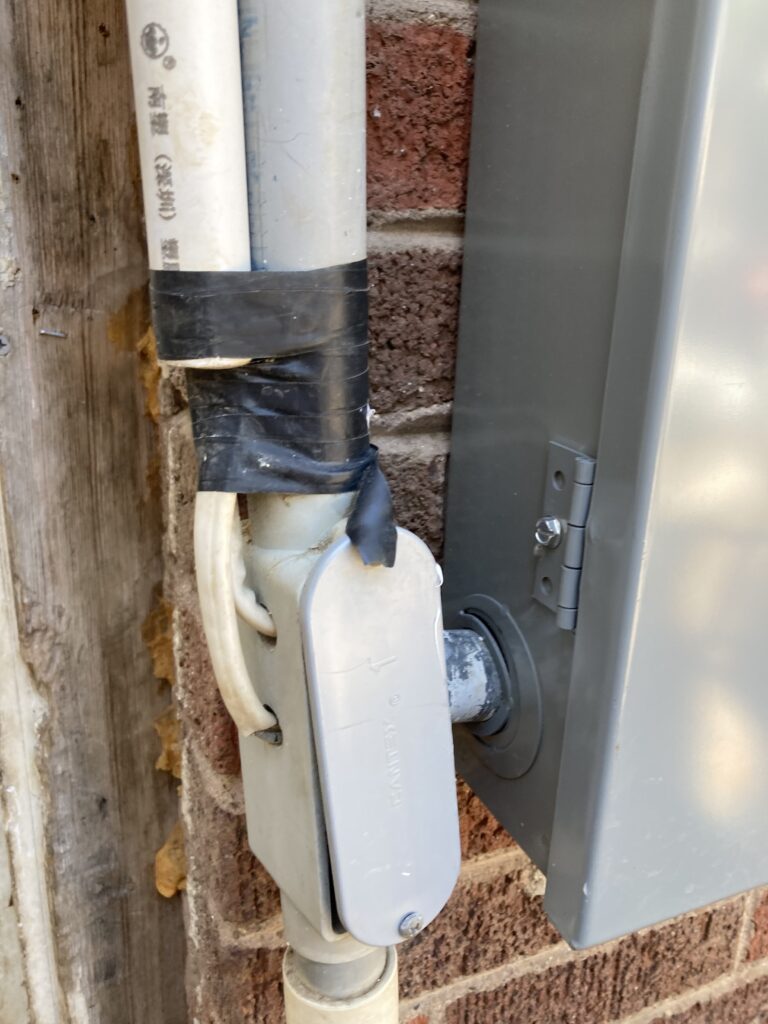
A complete electrical grounding system in your home is built from several connected parts. It starts at the main service panel, where the grounding bar collects the ground wires from every circuit. From the panel, a heavy conductor runs to one or more ground rods driven deep into the soil outside. These rods anchor your entire system to the earth and give fault current a place to go. Metal water pipes and other structural connections often bond to this system as well. Each connection must be tight, clean, and free of corrosion to work properly. A single loose or rusted link can weaken the entire grounding path.
The ground rod is one of the most overlooked parts of the whole system. It sits underground where no one sees it, yet it does the heavy lifting during a fault or surge. Over many years, soil conditions and moisture levels can corrode the rod and its clamp. Dry Texas summers can also reduce the conductivity of the soil around the rod. When that happens, the connection to earth becomes weaker and less reliable. A professional can test the resistance of your ground rod and confirm it still meets code. If the reading is too high, adding a second rod or replacing the connection restores full protection.
The grounding conductor that runs through your walls is just as important as the rod outside. This wire connects every outlet and junction box back to the panel. In a properly wired home, you can see the bare copper or green wire attached to each device. Loose connections at outlets are a common problem that interrupts the ground path. A broken ground at even one outlet leaves everything downstream unprotected. Our technicians check each connection during an inspection to confirm the path is complete. Small repairs at this stage prevent much larger problems later.
Signs Your Home Electrical Grounding Is Failing
Failing electrical grounding often gives warning signs long before a serious problem occurs. One of the most common signs is a mild shock or tingle when you touch an appliance. That sensation means current is finding a path through you instead of through the ground wire. Flickering lights that have no clear cause can also point to a grounding issue. You might notice outlets that feel warm or that spark when you plug something in. These symptoms should never be ignored, since they signal a break in your safety system. Catching them early gives you time to fix the problem before it becomes dangerous.
Frequent breaker trips can be another sign that your grounding is not working correctly. A breaker that trips often may be responding to fault current that has no clean path to earth. Buzzing sounds from outlets or the panel can point to loose grounding connections. A burning smell near any outlet or the panel is a serious warning that needs immediate attention. Corroded or discolored outlets often hint at hidden grounding trouble behind the wall. Any of these signs together should prompt a call to a licensed electrician. If you notice a burning smell or sparks, call a licensed electrician right away rather than waiting.
Some grounding problems hide completely until an inspection brings them to light. A home may pass everyday use for years while carrying a dangerous fault waiting to happen. This is common in older houses where prior owners made changes without permits. Do it yourself wiring and rushed repairs often leave the ground disconnected. A qualified electrician can find these hidden faults with the right testing tools. Testing measures the actual resistance of your ground and reveals weak points you cannot see. Regular inspection is the surest way to confirm your grounding is doing its job.
Why Your Home Depends on Proper Electrical Grounding
Proper electrical grounding does more than satisfy a code requirement; it protects the people and property you care about most. Every appliance, outlet, and light fixture in your home relies on a working ground to operate safely. When the ground fails, the risk of shock and fire rises sharply. Modern homes carry more electronics than ever, and each device depends on stable, grounded power. Summer storms in Texas add another layer of risk with lightning and utility surges. A strong grounding system stands between those threats and your family. Understanding these benefits shows why grounding is never optional.
How Electrical Grounding Prevents Shock and Fire in Your Home
The most important job of electrical grounding is protecting people from electric shock. When an appliance develops an internal fault, its metal case can become energized without any visible sign. In a grounded system, that fault current flows harmlessly to earth and trips the breaker. In an ungrounded system, the case stays energized and waits for someone to touch it. The moment a person makes contact, their body becomes the path to ground. This kind of shock can cause serious injury or worse. Grounding removes that risk by giving current a far easier path than the human body. It is a quiet form of protection that works every hour of every day.
Electrical grounding is just as important for preventing fires in your home. A short circuit produces intense heat in a very small space. Without a ground, that heat can ignite wood, insulation, or dust inside the wall. With a proper ground, the fault current spikes and forces the breaker to shut off the circuit. That fast shutoff stops the heat before a fire can start. Many electrical fires trace back to faults that a grounded system would have caught. This is why insurers and inspectors treat grounding as a basic safety requirement.
Ground fault protection builds on the grounding system to add another layer of safety. Devices like GFCI outlets watch for tiny imbalances in current and cut power instantly. These outlets protect areas near water such as kitchens, bathrooms, and outdoor spaces. They depend on a sound grounding system to work as intended. A missing or weak ground can keep these safety devices from performing correctly. Pairing proper grounding with GFCI protection gives your home strong coverage against shock. Our team can install and test both to keep every wet area safe.

How Electrical Grounding Protects Your Home During Summer Storms
Summer in Texas brings frequent thunderstorms that produce lightning and power surges. A direct or nearby lightning strike can send a massive spike of voltage into your home. Electrical grounding gives that surge a direct path into the earth before it reaches your devices. Without a solid ground, the surge would travel through your wiring and destroy anything plugged in. Grounding alone cannot stop every surge, but it is the first line of defense. It works alongside surge protection to keep your electronics safe. During storm season, a reliable ground is one of the best protections your home can have.
Power surges do not only come from lightning during the summer. Utility switching, downed lines, and high air conditioning demand can all cause voltage spikes. Your air conditioner draws a large load, and each start and stop can send small surges through the system. A grounded system helps absorb these everyday spikes and steer them away from sensitive circuits. Over time, repeated small surges wear down electronics that have no protection. Grounding paired with surge protection greatly extends the life of your appliances. Want stronger storm protection? Click here for our whole house surge protection service.
Homes with weak grounding are far more likely to suffer damage during summer storms. A surge that finds no easy path to earth will jump between circuits and components. This can fry televisions, computers, and the control boards inside major appliances. Repairs and replacements after a single storm can cost thousands of dollars. A properly grounded home routes that energy safely away and avoids most of the damage. Testing your ground before storm season is a smart, low cost step. It gives you peace of mind when the next Texas thunderstorm rolls through.
How Electrical Grounding Supports Modern Home Appliances
Modern homes rely on sensitive electronics that need clean, stable power to run well. Computers, smart devices, and large appliances all include circuit boards that surge damage can ruin. Electrical grounding provides the stable reference that these devices expect. It also gives fault current somewhere to go when a device fails internally. Without a good ground, a failing appliance can damage everything connected to the same circuit. Grounding keeps each device isolated and protected from the others. This is more important today than ever because homes carry so many electronics.
Large appliances such as ovens, dryers, and air conditioners place heavy demands on your electrical system. These units require dedicated circuits and solid grounding to run safely. A poor ground on a major appliance can create shock hazards on its metal surfaces. It can also cause the unit to run poorly or trip its breaker often. Proper grounding lets these appliances draw the power they need without risk. It also protects the expensive components inside them from surge damage. Our electricians confirm that each large appliance has the grounding it requires.
Smart home technology has made grounding even more important in recent years. Smart panels, chargers, and connected devices all rely on clean power and a solid ground. An electric vehicle charger, for example, needs strong grounding to operate safely. The same is true for smart lighting systems and home theater equipment. A weak ground can cause these systems to behave strangely or fail early. Bringing your grounding up to code prepares your home for modern upgrades. It also protects the investment you make in new technology.
Why You Need a Professional Electrical Grounding Inspection
A professional electrical grounding inspection is the only sure way to confirm your system is safe. Grounding problems often hide in places a homeowner cannot see or test. A licensed electrician has the tools and training to measure your ground and find weak points. This inspection checks the panel, the ground rods, the bonding connections, and the circuits throughout your home. Catching a problem early saves money and prevents dangerous surprises. It also gives you documented proof that your home meets current safety code.
When to Schedule a Professional Electrical Grounding Inspection
There are several moments when an electrical grounding inspection makes the most sense. Buying or selling a home is one of the best times to have the grounding checked. An older home that has never been inspected is another strong candidate. You should also schedule an inspection after any major storm or power surge. These events can damage your ground without leaving any visible sign. A quick check confirms your system survived the event intact.
Adding a large appliance or a new circuit is another good reason to inspect your grounding. New loads place more demand on the system and can reveal weak points. Homeowners planning an electric vehicle charger should always verify their ground first. The same is true before adding a hot tub, pool equipment, or a backup generator. An inspection makes sure the existing system can support the new load safely. It prevents costly rework once the new equipment is installed.
Any warning sign we discussed earlier is a clear reason to call for an inspection. Shocks, flickering lights, warm outlets, and frequent breaker trips all deserve attention. Waiting on these symptoms only raises the risk of shock or fire. A prompt inspection identifies the cause and confirms the safest repair. Need your system checked? Click here for our electrical inspection service.
What to Expect During an Electrical Grounding Inspection
During an electrical grounding inspection, our technician starts at the main service panel. We check the grounding bar, the connections, and the main bonding jumper. Each connection is examined for corrosion, tightness, and correct sizing. We then trace the grounding conductor out to the ground rods. This first step gives us a clear picture of the system as a whole.
Next, we test the resistance of your ground rods with specialized meters. This reading tells us how well your system connects to the earth. A high reading means the ground is weak and needs attention. We also inspect the bonding on metal pipes and other structural parts. These bonds keep every metal surface in your home at the same safe potential. Any weak point we find is documented for a clear repair plan.
Finally, we check the grounding at outlets and devices throughout your home. A special tester shows us which outlets are grounded and which are not. We look for reversed wiring, open grounds, and loose connections. Every issue is noted so you know exactly what needs repair. When the inspection is done, we walk you through the results in plain language. You leave with a clear understanding of your grounding and any next steps.
Why Choose Wallace Electric for Your Electrical Grounding
Wallace Electric is a family owned and operated company that serves Burleson and the surrounding area. We treat every home with professional white glove service from start to finish. Our technicians are background checked and drug tested for your peace of mind. We take pride in safe, code compliant electrical grounding on every job. Your family safety is always our first priority.
We back our electrical grounding work with a five year parts and labor warranty on qualifying services. This warranty reflects the confidence we have in our workmanship. We also offer financing options to make important safety work affordable. Our team is available around the clock for emergency electrical needs. When you call us, you reach real people who care about your home.
Choosing the right electrician for grounding work protects your family and your investment. Wallace Electric brings honest advice, careful work, and clear communication to every visit. We stand behind our results and never cut corners on safety. When your grounding needs attention, our team is ready to help. Call Wallace Electric today at (817) 476-7753 to schedule your electrical grounding inspection.